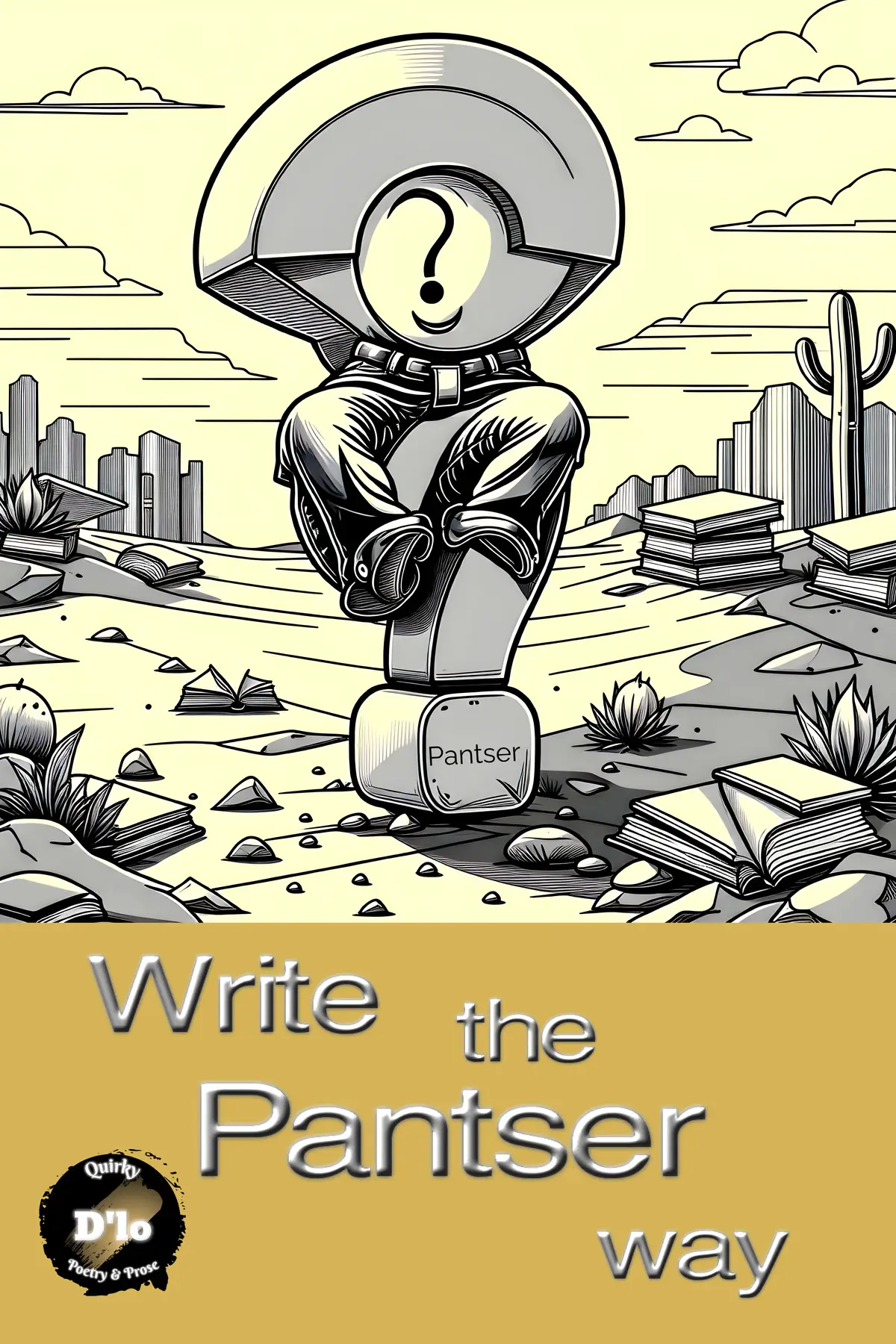
Pantser Writing: How Discovery Writers Build Powerful Stories Without Outlines
Pantser writing—also known as discovery writing—is one of the most intuitive and creatively liberating approaches to storytelling. Instead of planning every chapter in advance, pantser writers discover the story as they write it, letting characters, voice, and instinct guide the narrative. For many authors, this method produces more authentic emotion, deeper character arcs, and surprising plot turns that feel alive on the page.
Whether you’re new to the craft or refining your process, this guide explores what pantser writing is, how it works, and why it remains one of the most beloved writing methods among novelists, poets, and memoirists.
What Is Pantser Writing?
Pantser writing is a creative process where the writer “writes by the seat of their pants”—drafting without a detailed outline. Instead of mapping the story ahead of time, pantsers rely on:
- instinct
- character momentum
- voice and tone
- emotional heat
- discovery during the draft
This method is often called intuitive writing, organic storytelling, or discovery drafting.
Pantser vs. Plotter: What’s the Difference?
The pantser vs. plotter debate is one of the most common in the writing world.
- Plotters outline their story before writing.
- Pantsers uncover the story while writing.
Neither method is “better”—they simply serve different creative temperaments. Pantsers thrive on surprise, spontaneity, and character‑driven storytelling, while plotters prefer structure, planning, and predictability.
Many writers fall somewhere in between, using a hybrid approach.
Why Pantser Writing Works
Pantser writing is especially powerful for:
- Character‑Driven Stories
Because pantsers follow the characters rather than a predetermined plot, the emotional arcs often feel more authentic and surprising.
- Voice‑First Writing
Writers who rely on rhythm, tone, and imagery often find that outlines interrupt their natural flow.
- Creative Discovery
Pantser writing allows the subconscious to do the heavy lifting. Many writers report that their best ideas appear during the act of writing—not before.
- Momentum and Energy
Pantsers write “where the heat is,” chasing the scenes that feel alive. This keeps the draft moving.
Pantser Writing Techniques That Actually Work
Even though pantsers don’t outline, they do use techniques to stay grounded and finish strong.
- Start with a Spark, not a Structure
A pantser draft often begins with:
- a character voice
- a vivid image
- a line of dialogue
- a situation
- a question
This spark becomes the engine of discovery.
- Follow the Characters
Let them misbehave. Let them surprise you. Let them lead the story into unexpected territory.
- Write Fast, Revise Slow
Momentum is everything. Get the raw material down, then shape it later.
- Track What You’ve Written (Not What You Plan)
Instead of outlining ahead of time, pantsers often keep a reverse outline—a simple list of what happened in each chapter after writing it.
- Embrace the Messy Draft
Pantser drafts are supposed to be chaotic. That chaos is where the gold lives.
How to Revise a Pantser Draft
Revision is where pantsers turn discovery into design.
- Identify the spine of the story
What is the emotional arc? What changes?
- Strengthen structure
Once the draft exists, you can shape:
- pacing
- turning points
- stakes
- character arcs
- Cut the wandering
Pantsers often generate more material than they need. Revision is where you trim the excess.
- Add clarity and cohesion
Now that you know the story, you can refine:
- foreshadowing
- thematic threads
- continuity
- scene purpose
Common Myths About Pantser Writing
Myth 1: Pantsers don’t plan at all
Truth: Pantsers plan during the draft, not before it.
Myth 2: Pantsers can’t write complex plots
Truth: Many bestselling authors are pantsers. Complexity emerges through revision.
Myth 3: Pantser writing is chaotic
Truth: It’s intuitive, not chaotic. The subconscious is doing structured work.
Is Pantser Writing Right for You?
Pantser writing is ideal if you:
- think in scenes, not outlines
- hear character voices before plot
- feel restricted by rigid planning
- enjoy discovery and surprise
- write best when following instinct
If you thrive on structure, you may prefer plotting—or a hybrid method.
Final Thoughts: The Power of Writing Into the Unknown
Pantser writing is not a lack of discipline—it’s a creative philosophy. It trusts that the story knows more than the writer, and that discovery is part of the craft. When you write without a map, you open the door to surprise, authenticity, and emotional truth.
For many writers, that’s where the magic lives.